

Diabetic Control: A Complete Guide to Managing Diabetes Effectively

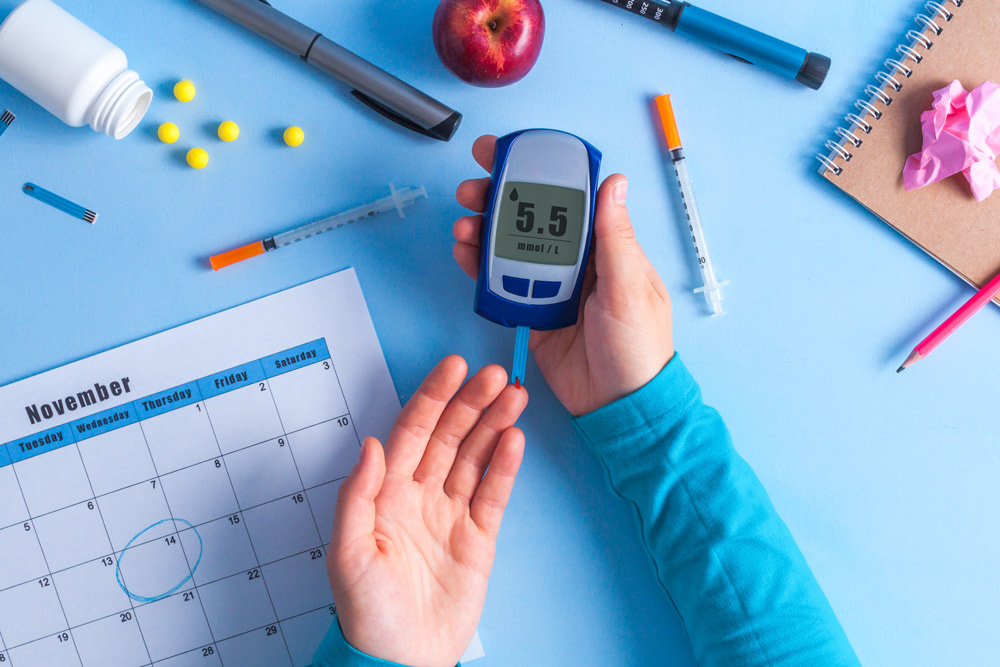
Diabetes is a long-term health condition that affects how your body uses blood sugar (glucose). Proper diabetic control is essential to prevent complications and maintain a healthy, active life. With the right lifestyle habits, monitoring, and medical care, diabetes can be managed successfully.
This guide explains how to control diabetes naturally and medically.
What Is Diabetes?
Diabetes occurs when your body either doesn’t produce enough insulin or cannot use insulin properly. Insulin is a hormone that helps move sugar from your blood into your cells for energy.
The main types of diabetes include:
Type 1 Diabetes – The body does not produce insulin.
Type 2 Diabetes – The body does not use insulin effectively.
Gestational Diabetes – Occurs during pregnancy.
Why Is Diabetic Control Important?
Uncontrolled diabetes can lead to serious complications, including:
Heart disease
Kidney damage
Nerve damage
Vision problems
Foot complications
Maintaining healthy blood sugar levels reduces these risks significantly.
Effective Ways to Control Diabetes
1. Follow a Balanced Diabetic Diet
A healthy diet is the foundation of diabetes control.
Focus on:
Whole grains (brown rice, oats, whole wheat)
Lean proteins (fish, chicken, lentils, beans)
Fresh vegetables and low-sugar fruits
Healthy fats (nuts, seeds, olive oil)
Limit:
Sugary drinks
Sweets and desserts
Refined carbohydrates
Fried and processed foods
Eating smaller, regular meals can help maintain stable blood sugar levels.
2. Monitor Blood Sugar Regularly
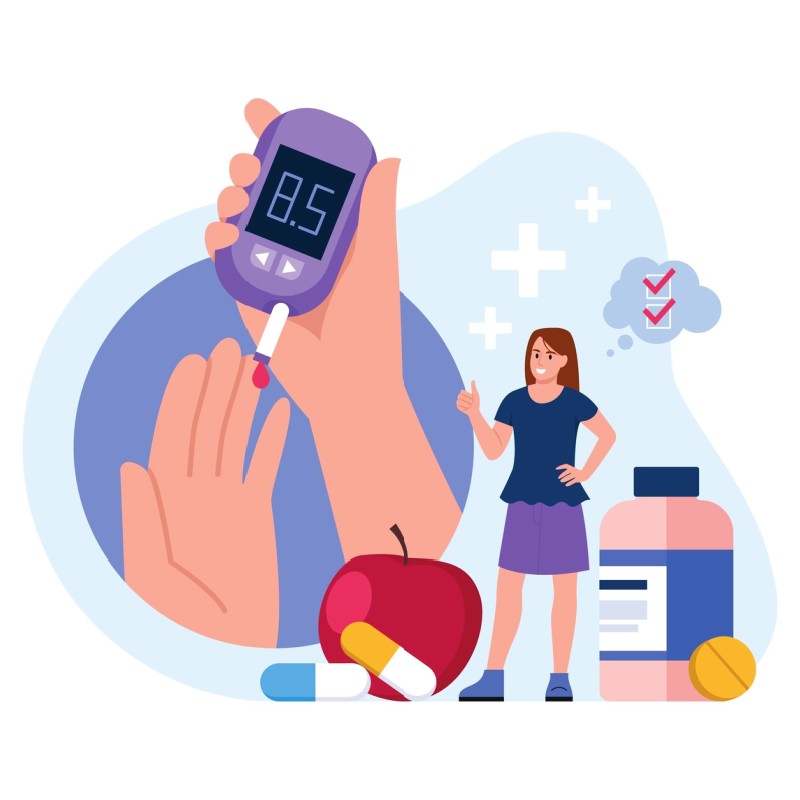
Checking your blood glucose levels helps you understand how food, exercise, and medication affect your body. Follow your doctor’s recommended testing schedule.
3. Exercise Consistently
Physical activity helps lower blood sugar and improve insulin sensitivity.
Aim for:
30 minutes of brisk walking most days
Strength training 2–3 times per week
Light activities like yoga or stretching
Always consult your doctor before starting a new exercise routine.
4. Maintain a Healthy Weight
Losing even a small amount of weight can significantly improve blood sugar control, especially for people with Type 2 diabetes.
5. Take Medications as Prescribed
Some individuals may require:
Oral diabetes medications
Insulin therapy
Never skip or change your medication without medical advice.
6. Manage Stress and Sleep
Stress and lack of sleep can raise blood sugar levels. Aim for:
7–8 hours of quality sleep
Relaxation techniques like meditation or deep breathing
Regular daily routines
Natural Tips for Better Diabetic Control
Drink plenty of water
Include fiber-rich foods in your diet
Avoid smoking and limit alcohol
Schedule regular medical check-ups
Warning Signs of Uncontrolled Diabetes
Seek medical attention if you experience:
Frequent urination
Excessive thirst
Blurred vision
Slow-healing wounds
Extreme fatigue
Early intervention prevents complications.
Final Thoughts
Diabetic control is about consistent daily habits. A balanced diet, regular exercise, proper medication, and routine monitoring are key to managing diabetes effectively. With discipline and medical guidance, you can live a healthy and fulfilling life.
If you have diabetes, consult your healthcare provider to create a personalized management plan that suits your needs.