

How to Remove Hair Fall: Causes, Treatments, and Proven Solutions

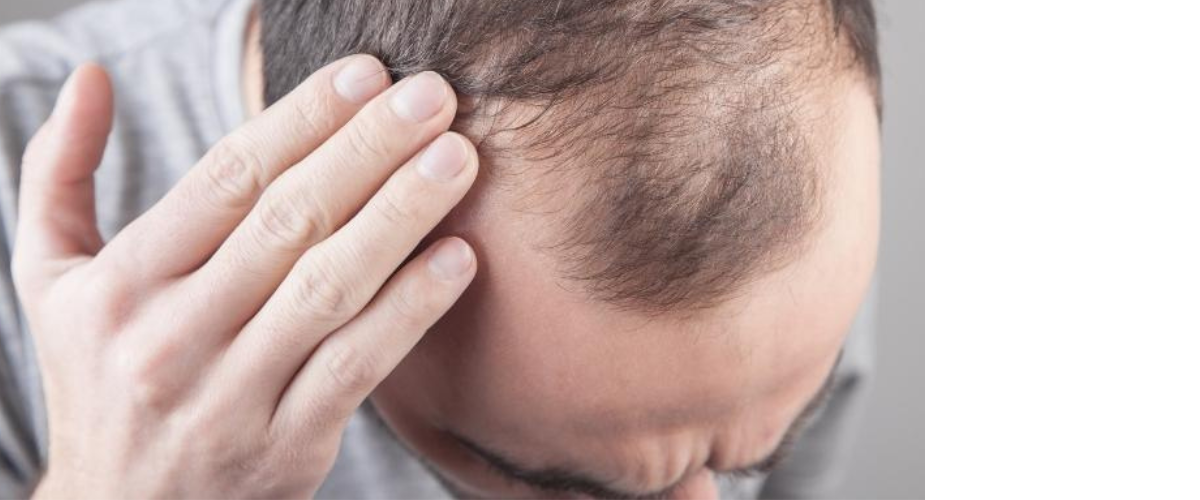
Hair fall is one of the most common concerns affecting both men and women. While losing 50–100 strands a day is normal, excessive shedding can be stressful and may signal underlying issues. The good news? Hair fall can often be reduced — and even reversed — with the right approach.
In this guide, we’ll explore the causes of hair fall and the most effective ways to control it naturally and medically.
What Causes Hair Fall?
Before treating hair fall, it’s important to understand why it happens.
1. Nutritional Deficiencies
Lack of iron, protein, vitamin D, or biotin can weaken hair follicles and increase shedding.
2. Hormonal Imbalances
Conditions like thyroid disorders or hormonal changes during pregnancy and menopause can trigger hair loss.
3. Stress
Physical or emotional stress may lead to temporary hair shedding (telogen effluvium).
4. Genetics
Hereditary hair loss such as male or female pattern baldness is common and progressive.
5. Poor Hair Care Habits
Frequent heat styling, chemical treatments, tight hairstyles, and harsh shampoos can damage hair.
Effective Ways to Reduce Hair Fall
1. Improve Your Diet
Healthy hair starts from within.
Increase protein intake (eggs, lentils, fish, nuts)
Eat iron-rich foods (spinach, red meat, beans)
Add omega-3 fatty acids (walnuts, flaxseeds)
Stay hydrated
If needed, consult a doctor for supplements.
2. Massage Your Scalp Regularly
Scalp massage improves blood circulation and stimulates hair follicles.
Use:
Coconut oil
Castor oil
Rosemary oil (mixed with a carrier oil)
Massage 2–3 times per week for best results.

3. Choose the Right Hair Care Routine
Use a mild, sulfate-free shampoo
Avoid washing hair daily
Limit heat styling tools
Use a wide-tooth comb on wet hair
Avoid tight ponytails and braids
4. Manage Stress
Since stress is a major trigger, try:
Yoga and meditation
Regular exercise
Proper sleep (7–8 hours)
Deep breathing techniques
5. Medical Treatments for Hair Fall
If hair fall continues despite lifestyle changes, consider medical options:
Minoxidil (topical treatment to stimulate growth)
PRP (Platelet-Rich Plasma) therapy
Prescription medications (for hormonal hair loss)
Hair transplant (for advanced cases)
Consult a dermatologist for personalized advice.
Natural Home Remedies for Hair Fall
Here are some traditional remedies that may help:
Onion Juice
Rich in sulfur, it may improve blood circulation to hair follicles.
Aloe Vera
Helps soothe scalp irritation and strengthens hair.
Fenugreek Seeds
Strengthen hair roots and reduce breakage.
When Should You See a Doctor?
Seek professional help if you notice:
Sudden or patchy hair loss
Hair fall after illness or medication
Itchy or painful scalp
Rapid thinning
Early diagnosis leads to better treatment outcomes.
Final Thoughts
Hair fall can be distressing, but it is manageable. By improving your diet, reducing stress, adopting a gentle hair care routine, and seeking medical advice when necessary, you can significantly reduce hair shedding and promote healthy hair growth.